What an electronic medical record holds
An electronic medical record is the patient's clinical history in one place: who they are, every visit and its diagnosis, what was prescribed, what was tested and what the results were, what was done during an admission, and how they were discharged. Its value is in being complete and in being in one place — a record split across a laboratory register, a ward file and a consulting-room notebook is three partial records.
TechMediz keeps all of it against the patient's UHID, so the record a doctor opens on the fifth visit already holds the first four.
Where each part of the record comes from
Registration
Demographic details and the UHID, captured once at patient registration and found again by UHID, mobile number or name.
Consultation
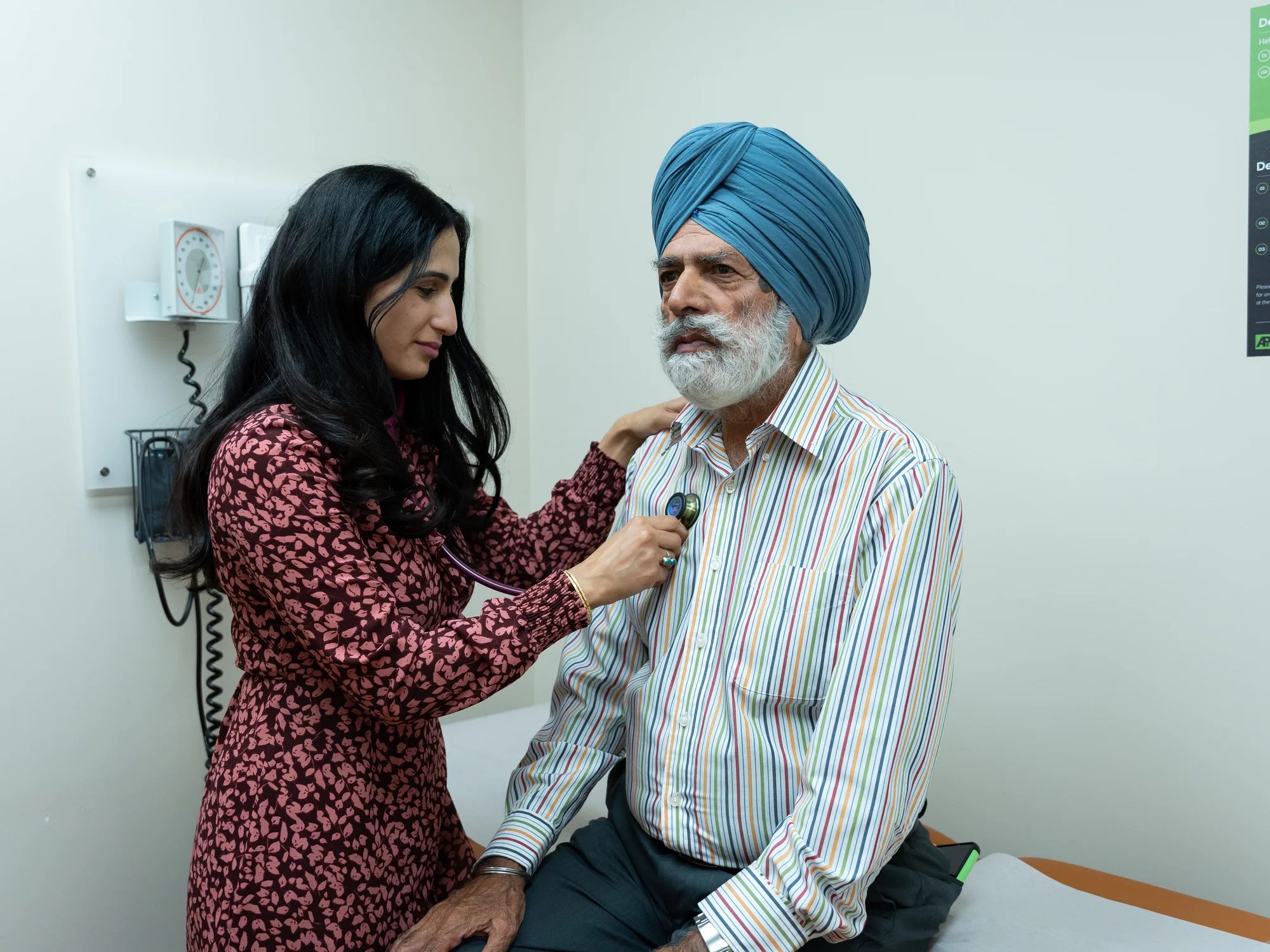
Prescription and diagnosis details entered in the consulting room, with prescription templates for presentations a doctor treats regularly.
Laboratory and radiology
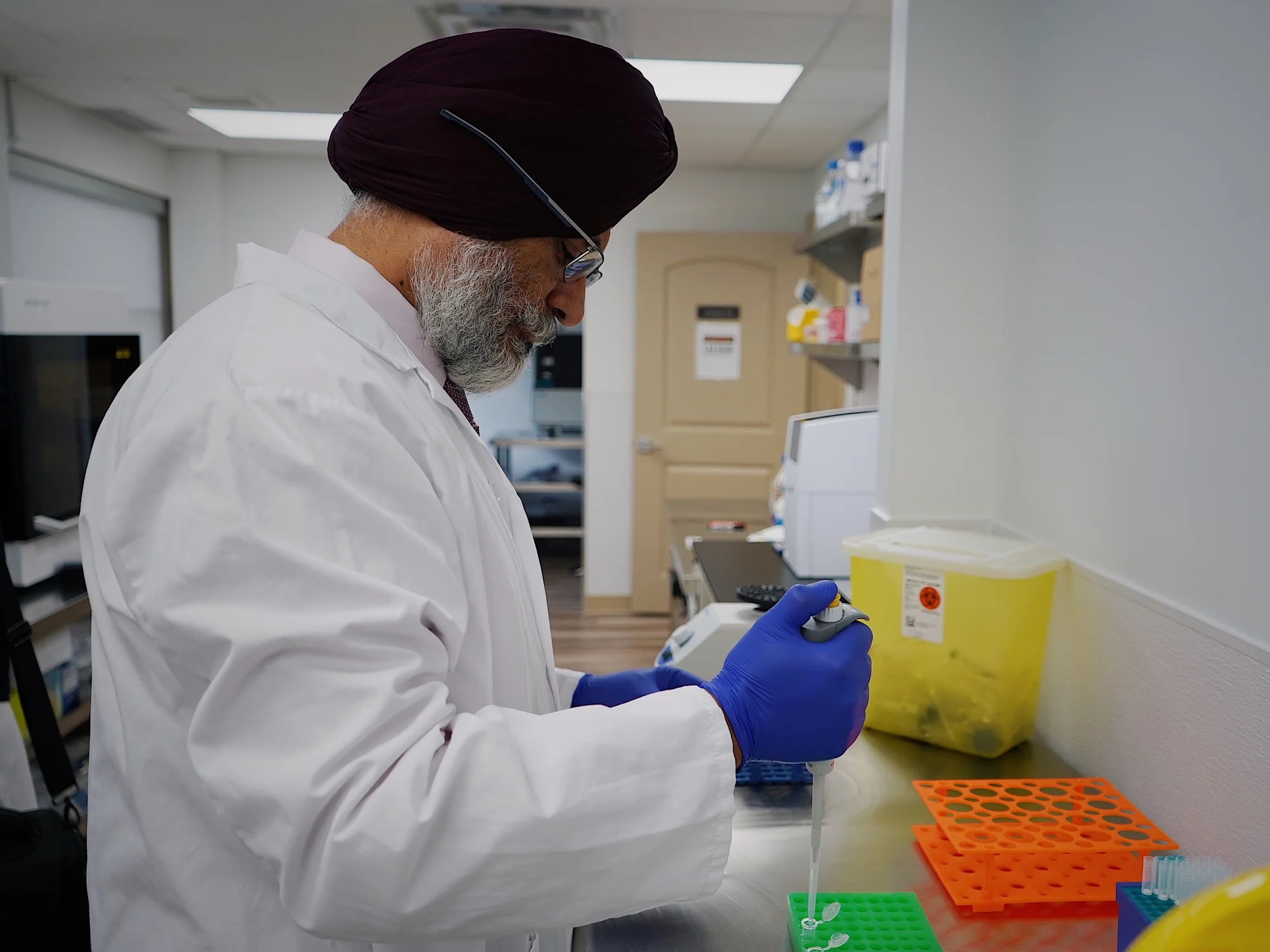
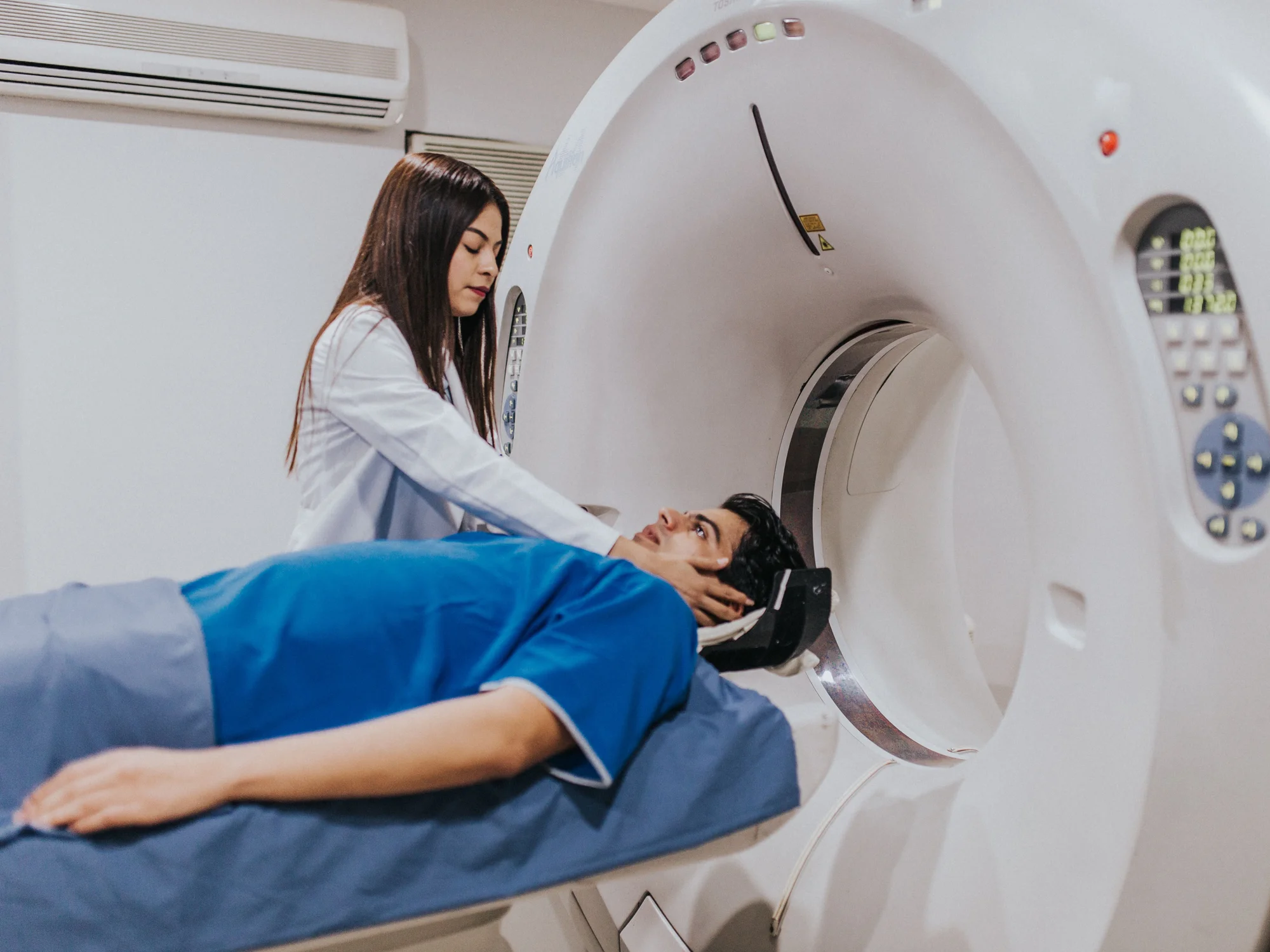
Test results entered against the sample, and radiology reports written from templates or uploaded as a PDF from external scan software.
Admission
Treatment, surgery and procedure details recorded through the stay, and OT notes and diagnosis entered by the theatre team.
Discharge
A discharge summary prepared at the nurse station, with diagnoses carried through as ICD-10 codes rather than free text.
Medical records
The medical records department maintains the record, tracks lab and scan reports, and searches cases by ICD code.
Medical history the doctor can actually use
The point of an EMR is the moment in the consulting room when a doctor needs to know what happened last time. The doctor module holds the patient's history and their laboratory and radiology reports, and out-patient management keeps previous visit details one click away from the current one. Nothing has to be fetched from the records room for a routine follow-up.
Paper files and the electronic record together
Almost every hospital keeps physical files for years after it goes digital — for legal reasons, for old cases, and for documents that arrive on paper. An honest EMR plan accounts for them rather than pretending they disappear.
Files are labelled with a barcode, and the medical records module tracks where each one is, from issue to movement to return. The electronic record and the paper file point at the same patient. How far the paper can actually be reduced, and in what order, is set out on the paperless hospital solution page.