Where the manual work hides
Ask where time goes in a hospital and the answer is rarely the clinical work. It is the handovers: a ward writes a requisition and the laboratory types it in; a doctor writes a prescription and the pharmacy reads it; the pharmacy issues to the ward and the stores update a ledger; the laboratory releases a result and someone carries it to the ward; and at the end of all of it, billing re-enters what every department did.
Each of those copies is a delay and a chance for error. Hospital automation software is worth what it removes from that list.
What TechMediz automates
Orders reach the department
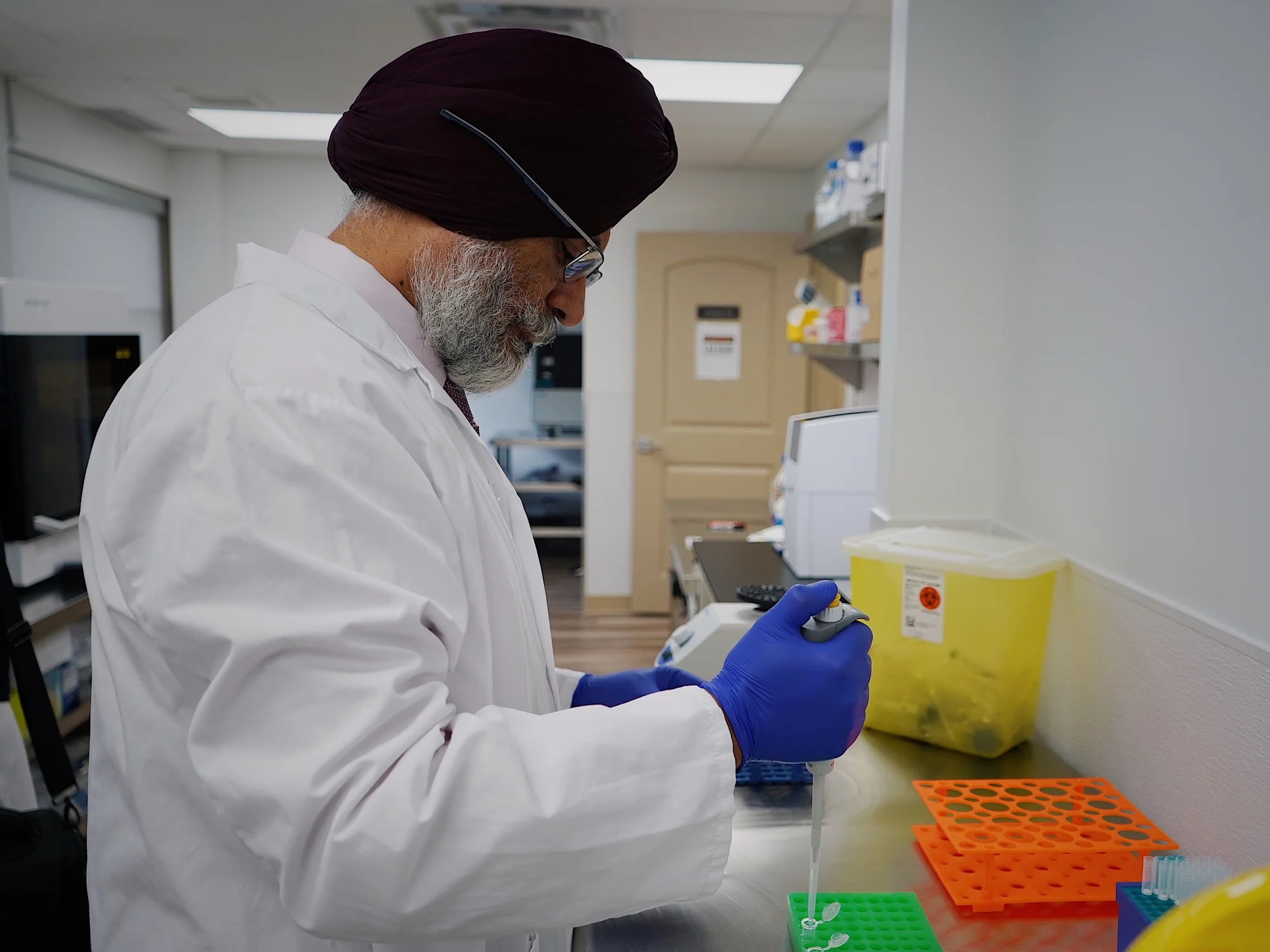
Lab and scan requisitions raised in OP, on the ward or at the nurse station arrive in the laboratory and radiology as orders.
Prescriptions reach the pharmacy
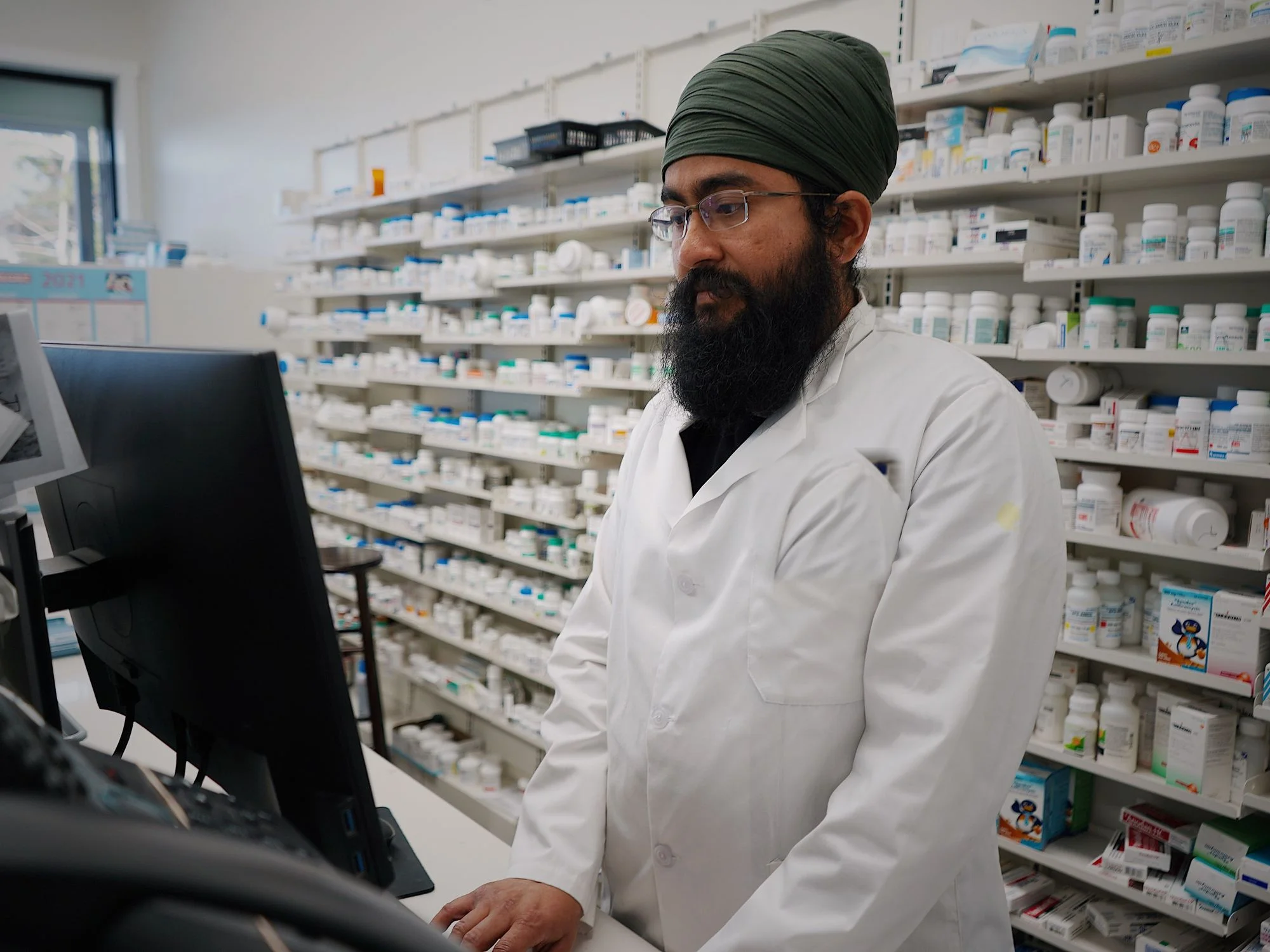
A prescription written in the consulting room appears at the pharmacy counter; a ward request from IP does the same for in-patients.
Issues reduce stock
Ward and consumable requests reduce store stock as they are issued, across every store the hospital runs.
Results return to the doctor
Analyser results arrive against the sample through LIS integration where supported, and released results appear in the patient's record.
Charges reach the bill
Each department's charge posts to the patient's bill as it is raised, and the in-patient total is calculated through the stay. See hospital billing software.
Doctor share follows the work
Doctor share is tracked from the consultations and procedures recorded, rather than worked out on a separate sheet at month end.
Time is tracked, not estimated
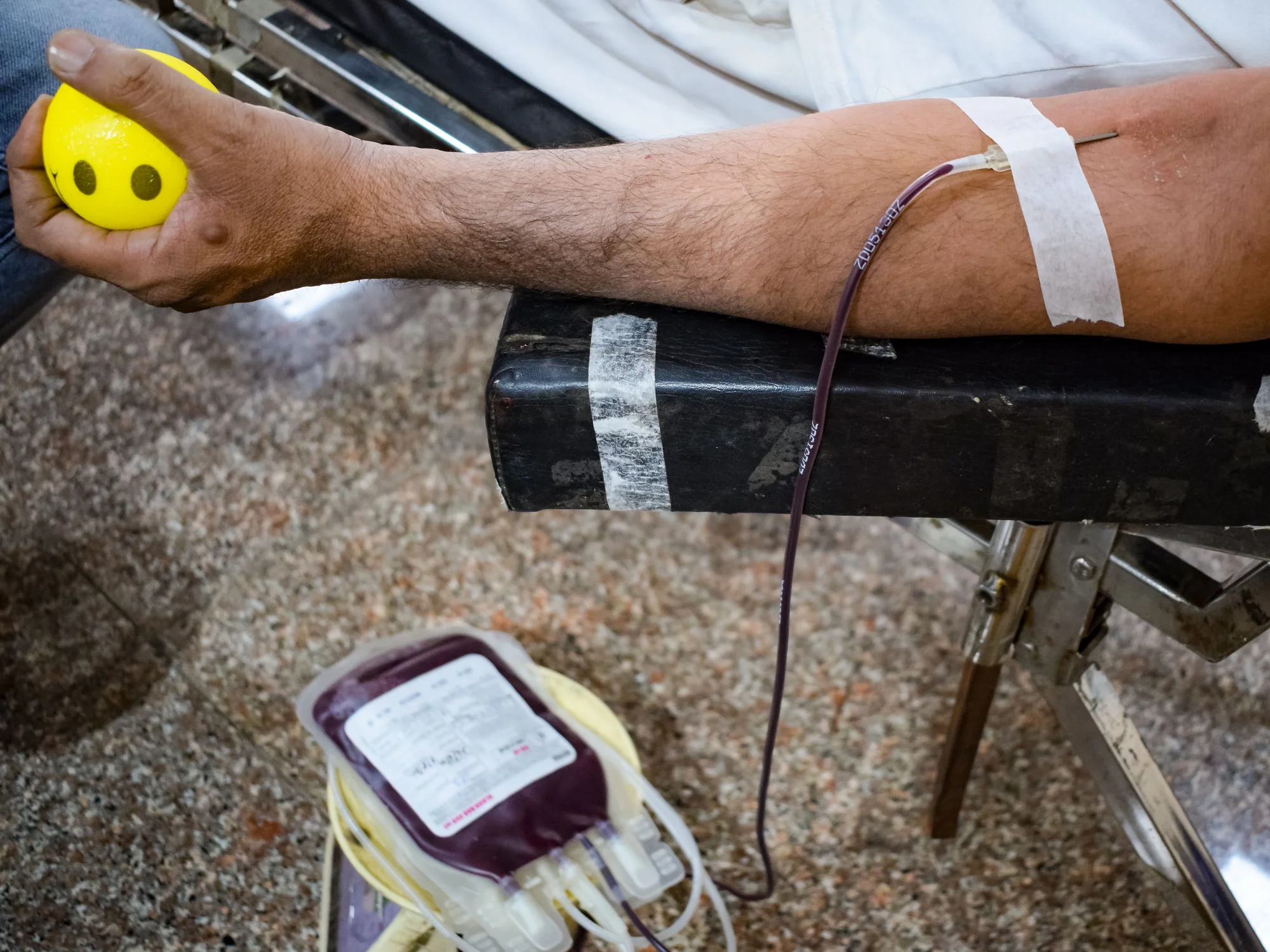
Turnaround time is tracked in the laboratory and at the nurse station, and the blood bank raises automated alerts on stock and availability.
Reports compile themselves
MIS reports and dashboards are drawn from the live data, so nobody assembles them at month end. See MIS reports.
Automation with approval built in
Not everything should flow without a person in the way. Return bills and discounts go through two-level approval, and every cancelled, edited or discounted bill is reported. The aim is to automate the copying and keep the decisions — especially the ones that let money leave the hospital — with the people accountable for them.
What is deliberately not automated
Nothing clinical. TechMediz does not suggest a diagnosis, decide a dose or interpret a result. Those are the doctor's decisions, and a hospital information system that claimed otherwise would be a different kind of product needing a different kind of approval.
Automation also does not replace the integration work some machines need, or the training a team needs to stop keeping the old register alongside the new system. Both are part of any honest plan, and both are covered on the hospital software integration page and in implementing hospital software without stopping the hospital.